


Collections
Bees
Bees and other pollinating insects are crucially important to the garden. Here is a selection of sustainably produced and expertly designed products for bees in your garden
Natural habitats for solitary bees to build nests in are becoming harder to find in modern gardens. The addition of a solitary bee house or hotel can attract bees to your garden to nest and return year after year.
The ideal site to place your solitary bee house is well above the ground in a warm, south-facing position, ideally, near plenty of nectar-rich flowers, plants and trees.
To attract solitary bees to your garden, you should include flowering plants to provide nectar and pollen. My range of wildflower seeds is ideal for attracting and sustaining pollinating bees
View collection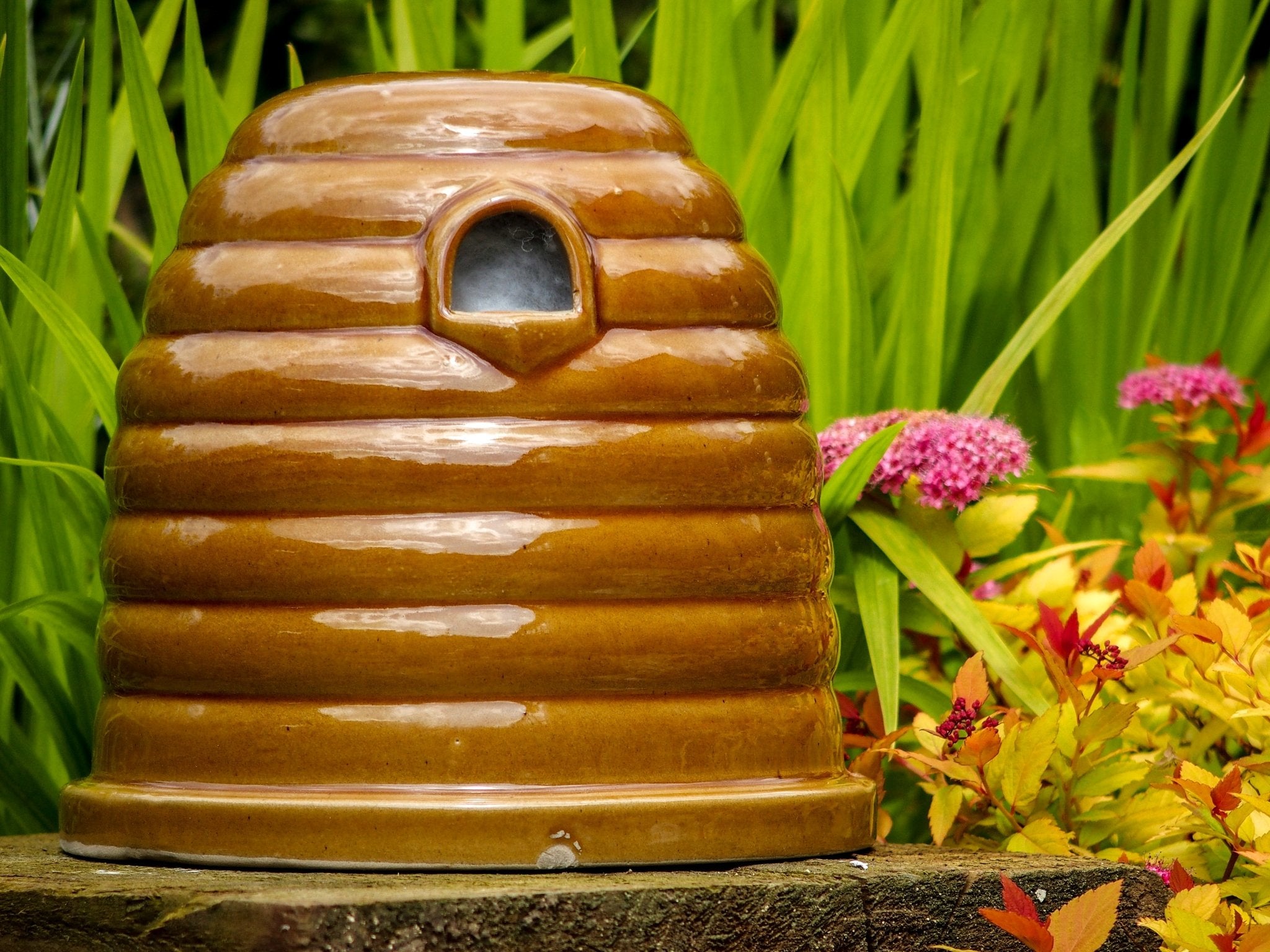


Butterflies
Both butterflies and moths are in trouble in Ireland and across Europe. Numbers have fallen due to habitat and biodiversity loss in the countryside.
Conserving butterflies and moths are of great importance for reasons that include their intrinsic and aesthetic value and their use in education and ecology.
An area rich in butterflies and moths is a good indicator of a healthy environment and ecosystem.
Apart from looking, just beautiful, butterflies and moths have a significant part to play in the food chain. At the various stages of their fascinating life-cycle, they support a whole range of birds, bats and other insectivorous animals.
Telling the difference between butterflies and moths can be difficult and, in truth, there isn’t much of a difference as both belong to the Lepidoptera group, of which there are 60 species of butterfly and over 2,500 recorded moths.
We can help butterflies and moths as they will visit any garden, however small. If they can feed on suitable nectar plants and have shelters, a well-thought-out garden can attract many moth and butterflies.
My selection of wildflower seeds will help to attract and feed butterflies and moths in your garden
View collection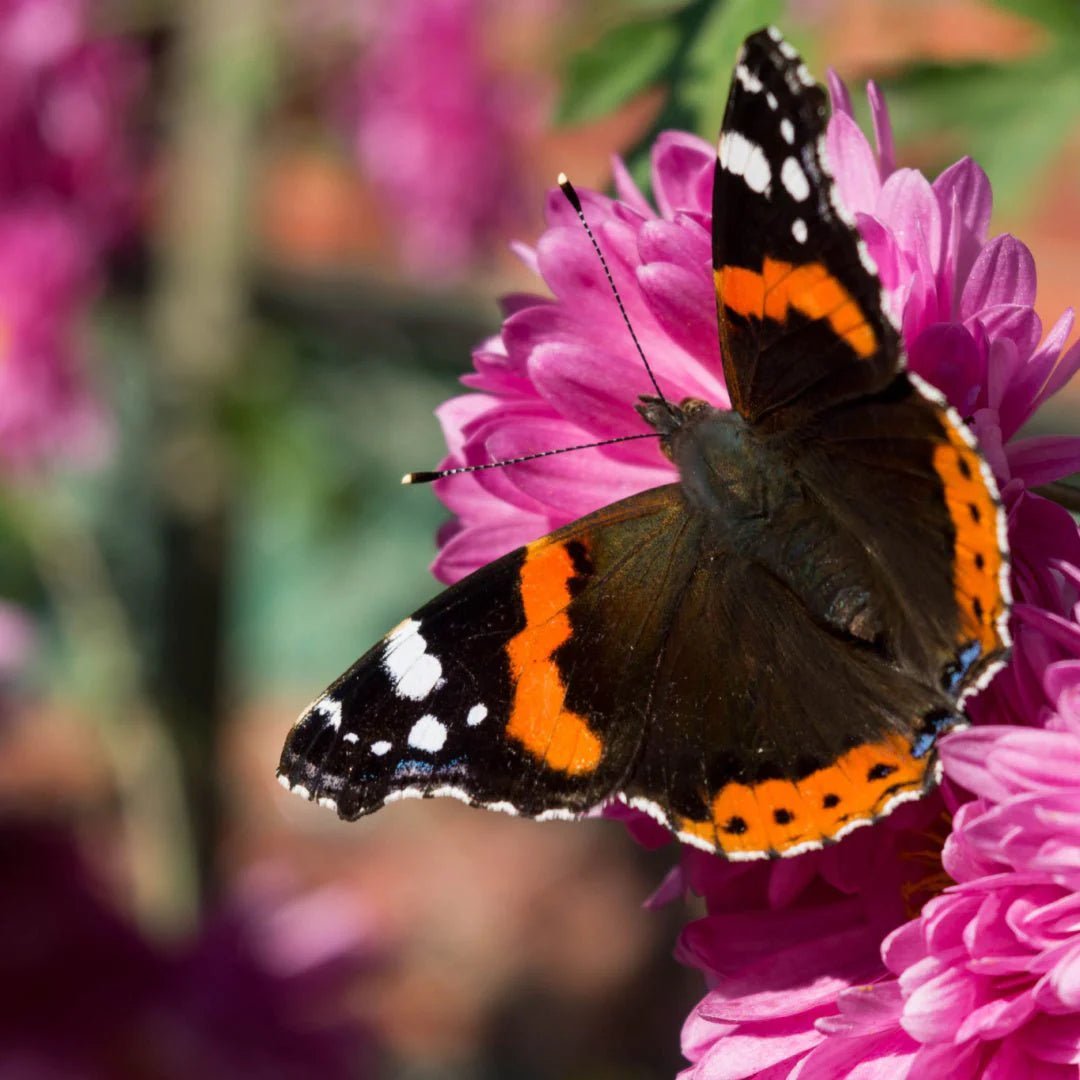

Expert Garden Design Services
Expert Garden Design Services – Tailored to Your Space
A well-designed garden is more than just a collection of plants—it’s a space that enhances your home, supports biodiversity, and thrives in harmony with its surroundings. Whether you’re starting from scratch or refining an existing layout, my expert garden design services will help you create a space that is both beautiful and functional.
Using my decades of experience in horticulture and landscape design, I offer bespoke garden design solutions to suit every need. My Eircode Garden Design service provides a personalised, expertly crafted garden plan based on your location and conditions, while my Online Garden Consultation gives you direct, one-on-one expert advice, no matter where you are in Ireland.
For those looking for a more detailed, immersive experience, I also offer a range of additional design options, from hand-drawn sketches to full VR walkthroughs, allowing you to visualise your dream garden before implementation.
Whether you want to attract pollinators, create a low-maintenance retreat, or design a structured, formal garden, I will work with you to ensure your garden is both practical and inspiring.
Bespoke Plans | Expert Advice | Designed for You
View collection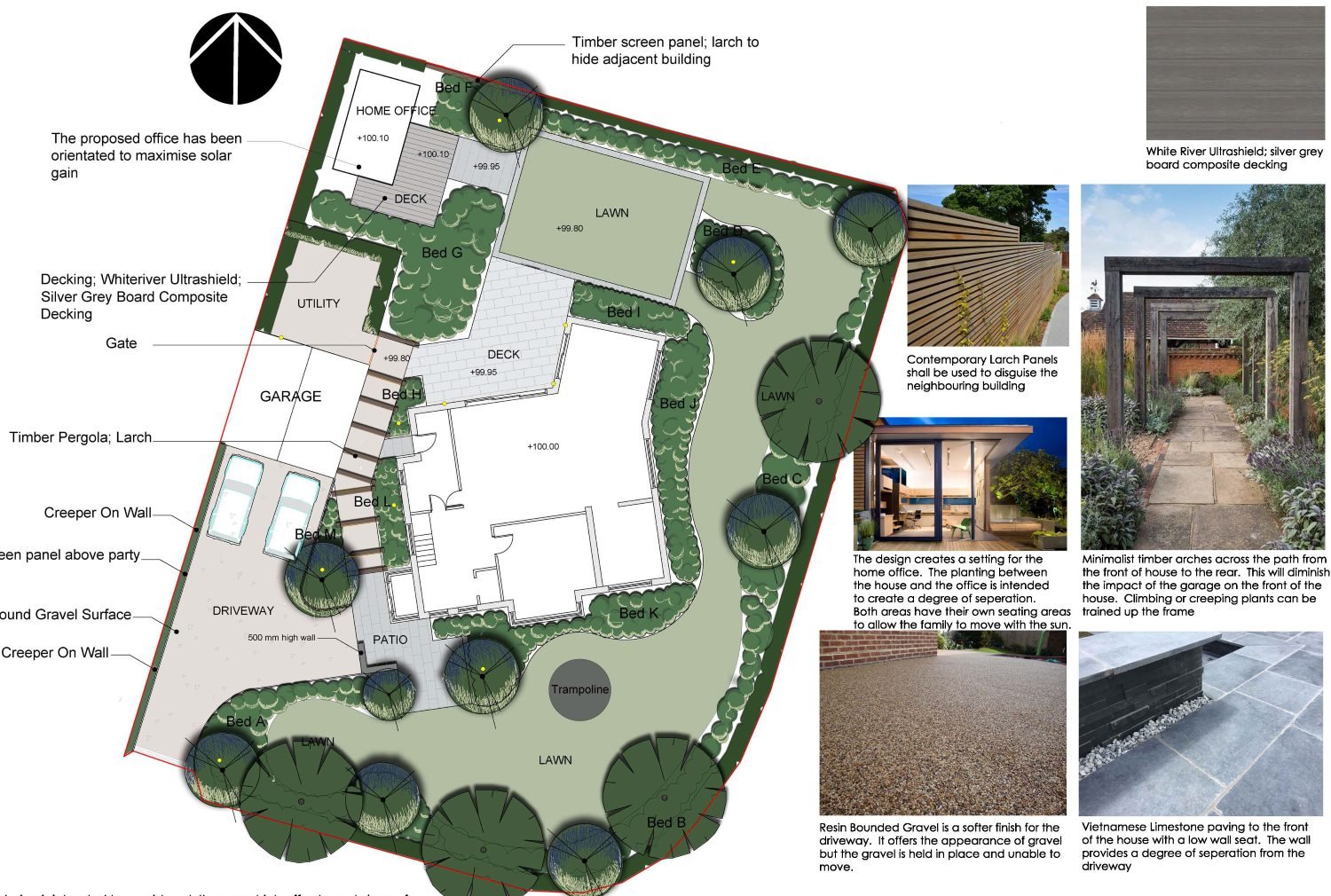

Frogs and Toads
Although frogs are commonplace in Ireland many other reptile and amphibian species, such as Smooth or Common Newts and Natterjack toads are rare in Ireland.
This loss is primarily due to massive losses of ponds, which has happened as farming practices changed and development replaced these vital survival sites for amphibians.
The diets of frogs and toads are relatively similar and both are welcome in garden as they eat slugs and snails.
Toads will also eat ants and travel further for their food whereas frogs will eat flying insects and beetles.
Their taste for garden pests makes them an ideal friend for gardeners. The saviour to the common frog and toad has been the increase in the number of garden ponds and toad houses providing alternatives to their lost wildlife habitats.
View collection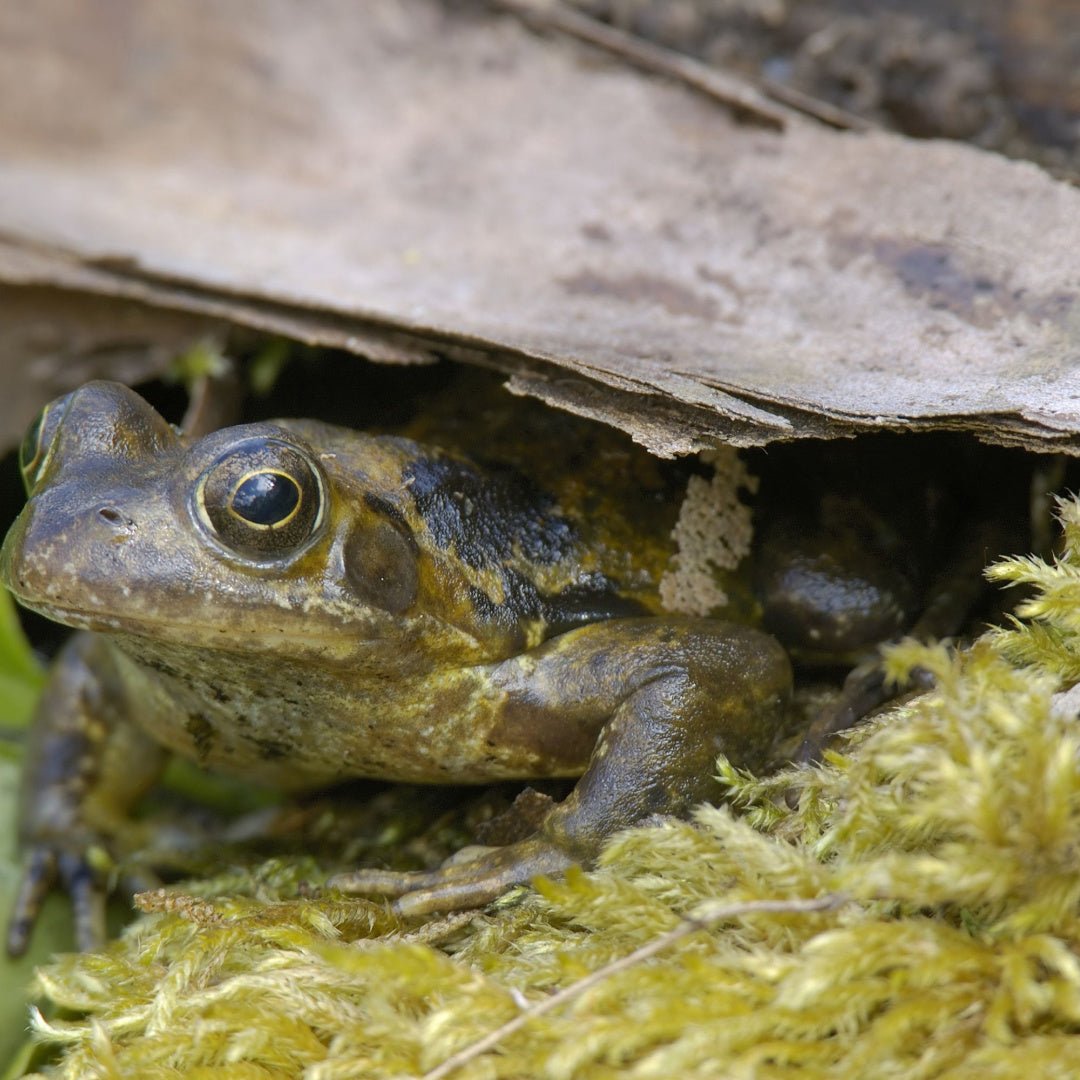

Garden Essentials
A range of garden plant foods and remedies of my favourite garden care products
View collection

Garden Wildlife Products
Transform your outdoor space into a haven for wildlife with our Garden Wildlife Products. Supporting biodiversity is essential for a healthy garden, and by providing food, shelter, and water sources, you can attract beneficial creatures such as birds, bees, butterflies, and hedgehogs.
Our collection includes:
- Bird Feeders & Bird Baths – Keep garden birds well-fed and hydrated year-round.
- Bee Hotels & Insect Houses – Provide a safe nesting space for pollinators essential for plant health.
- Wildflower Seeds – Grow nectar-rich flowers to support bees, butterflies, and other pollinating insects.
- Hedgehog Houses & Feeding Stations – Help protect and sustain hedgehogs in your garden.
Encouraging wildlife not only enhances your garden’s natural beauty but also helps with organic pest control and plant pollination. All our products are eco-friendly, sustainable, and designed to promote a thriving garden ecosystem.
Browse our Garden Wildlife Products today and start creating a nature-friendly garden that benefits both wildlife and the environment.
View collection


Living Green Walls
Living Green Walls – Transform Your Space with Nature
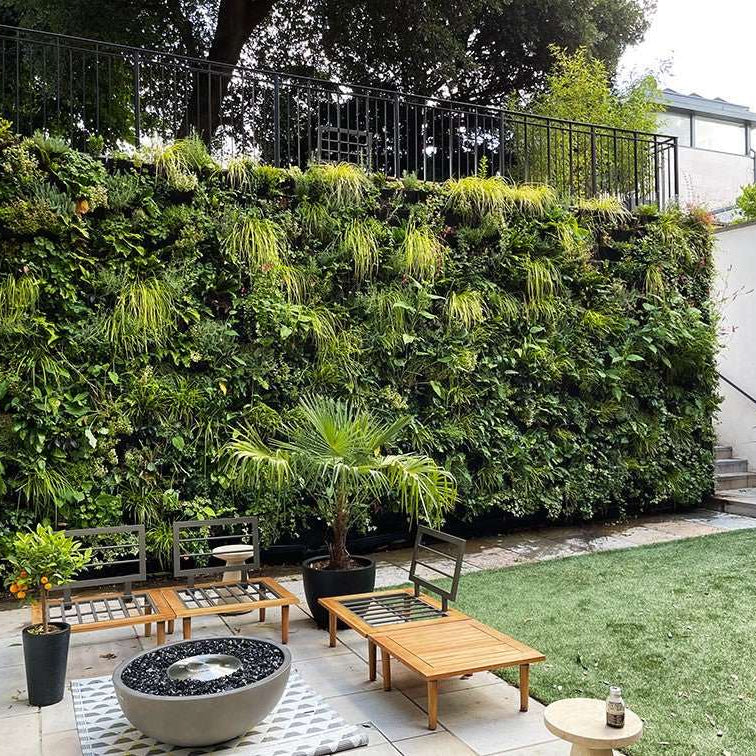
A Living Wall is more than just a stunning feature—it’s a way to bring nature into your home, garden, or workspace while improving air quality and biodiversity. Whether you’re looking to create a lush vertical garden or simply maximise planting in a compact space, the Plant Box Living Wall System offers a smart, sustainable solution.
Designed for easy installation and effortless maintenance, this modular system allows you to grow a vibrant wall of plants, flowers, or even herbs, making it perfect for urban gardens, patios, and indoor spaces. It’s not just about aesthetics—green walls provide insulation, reduce noise pollution, and support local pollinators, creating a healthier environment for both you and the planet.
Explore the Plant Box Living Wall System today and start growing upwards!
🌿 Space-Saving Design | Eco-Friendly | Easy to Maintain 🌿
View collection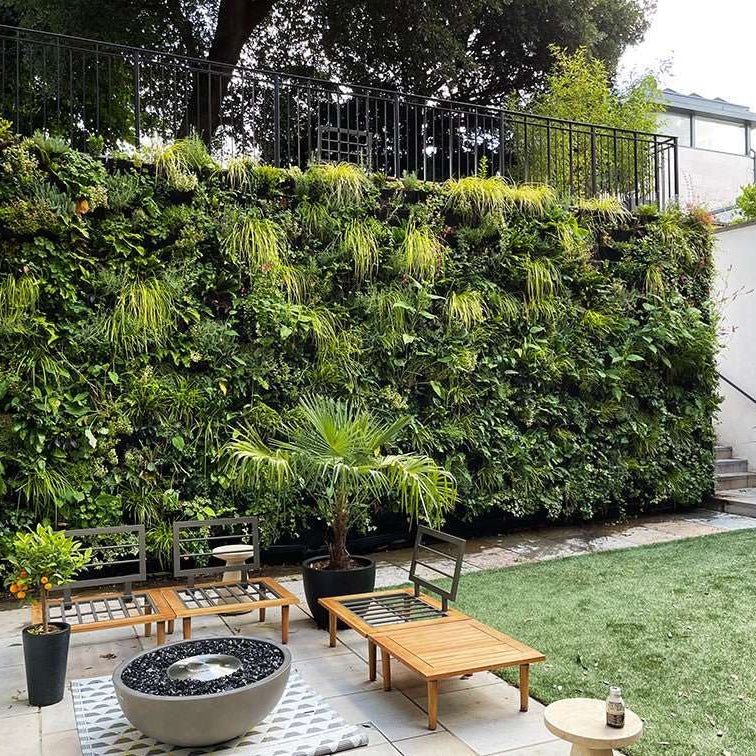
Living Walls
Made from 100% recycled plastic, PlantBox is a stackable living wall system which will enhance your outdoor space, however large or small.
Please Note: Prices Include Delivery and Delivery of the Plant Box will be during December
The revolutionary PlantBox modular vertical garden is a system that combines biology with technology to bring your walls to life and life to your walls!
PlantBox is a cleverly simple vertical garden, with a unique watering system that makes looking after plants really easy.
All the Troughs are 600mm (60cm) wide and 200mm (20cm) high and all link together easily
You can opt for the mini (3 troughs), a medium (5 troughs), or go large with 10 troughs to create a living wall to suit the size and shape of your project.
The PlantBox troughs are very easy to put together, lightweight and sturdy. You create your living wall by stacking them and, either stand on the ground, or get clever with a drill to attach to a wall.
No daily watering with PlantBox! Each planting trough has a 1.8 litre water reservoir. That’s enough for 1 or 2 weeks, depending on location, weather and how thirsty the plants are. The reservoir and wicking-felt means that plants take up water as they need it, so you don’t need to worry about over-watering either.
No more guesswork about when to water: a water level indicator on each trough of your PlantBox living wall means the plants will tell you when they’re thirsty.
You can get creative. The troughs have a good planting depth for a huge range of foliage plants, perennials, annual flowering plants, vegetables, herbs and salad crops.
View collection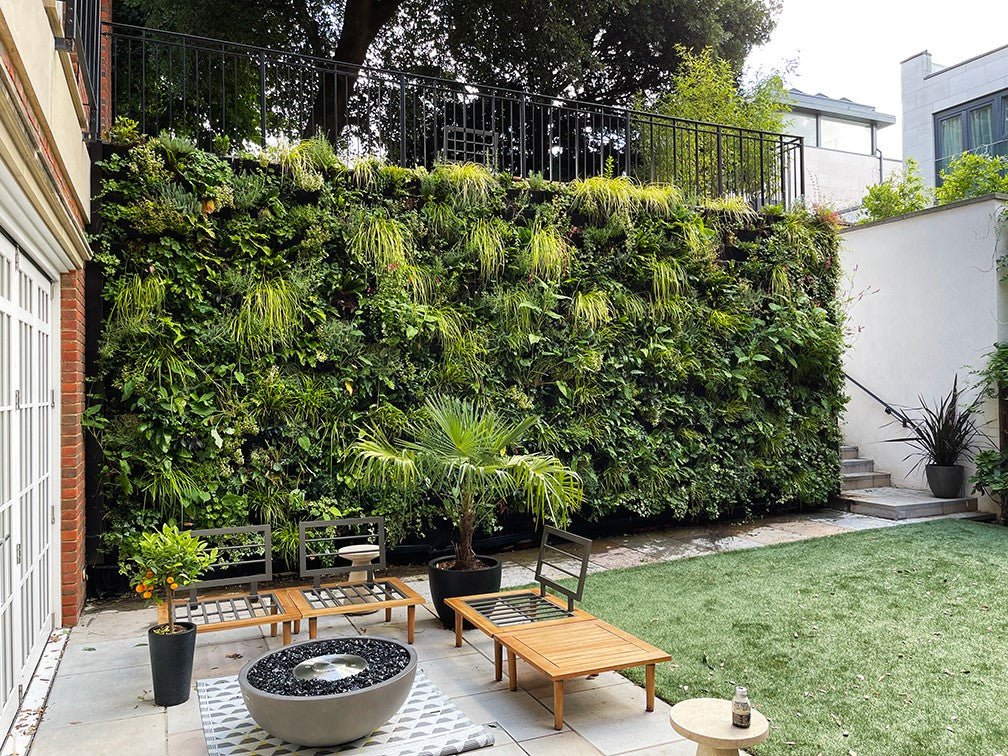
New Year Sale Items
Fantastic Savings on all Gardening Gift Items to start 2023
Only small numbers of any item left in stock so order now.
View collection


Other Wildlife Products
Bats
Over recent decades European bats have suffered sharp population declines. Many species are insect feeding, so, the loss of habitat supporting invertebrates on the which they feed and use pesticides is a possible cause.
Bats also need safe roosting and hibernation sites which are at risk from building and development work.
Working with The Bat Conservation Trust, Wildlife World has designed strong wooden bat boxes that provide suitable roosting spaces for these fascinating mammals with incredible species names such as Pipistrelle, Natterer’s and Whiskered.
Bat boxes must have thick sides to insulate the container from excessive temperature variations and a narrow entrance hole to prevent predation. It would be best if you put bat boxes high up in your garden. Growing night-scented plants will help attract night-flying insects, which bats eat.
Worldwide there are more than 1000 species of bat. Many of these species help humans by eating insects which can damage crops. Fruit-eating species also provide pollination and seed dispersal to help with forest regeneration—another reason why we need to work towards successful bat conservation.
Squirrels
In Ireland, we have our native Red Squirrel and the introduced Grey Squirrel. Since the introduction of greys in the 19th century, the red has suffered severe decline.
Whether you are lucky enough to have the reds in your locality or enjoy seeing the acrobatic antics of the now widespread greys, Wildlife World has sturdily made squirrel feeders and nest boxes for you.
Feeding squirrels in your garden can be not only entertaining to watch but might convince them to leave your bird feeders alone by purchasing specially designed squirrel feeders and squirrel food.
By placing the feeders in an area of your garden away from bird traffic, feeders and nest boxes. As a result, you can maximise your chances of squirrels and birds co-existing in a happy, healthy garden.
It may take a while for squirrels to find the feeders. Placing some peanuts around the feeder will encourage them to use it. Once discovered, you remove any old food and top up regularly. Squirrels will love using them, and you will love watching them!
View collection


Wild Bird and Garden Wildlife Products
Promoting biodiversity in your garden and encouraging garden wildlife and birds to your garden not only makes your garden a more attractive place in which to be but it also helps to maintain and restore that most important element of all, the Natural Balance.
By ensuring a good diversity of garden wildlife species in your garden you will ensure that there will never be an unnatural build up of any one species.
Attracting birds to your garden and providing them with a safe haven will pay dividends, not just by providing you with cheer each day as you admire them flying, singing and feeding in your garden but they will also control a wide range of garden pests from vine weevil to slugs and snails.


Wild Bird Care
Birds are a delightful addition to any garden and apart from their visual beauty and birdsong, they will repay us by helping to maintain the natural balance in the garden by feeding on a variety of common garden pests such as slugs, snails and vine weevils.
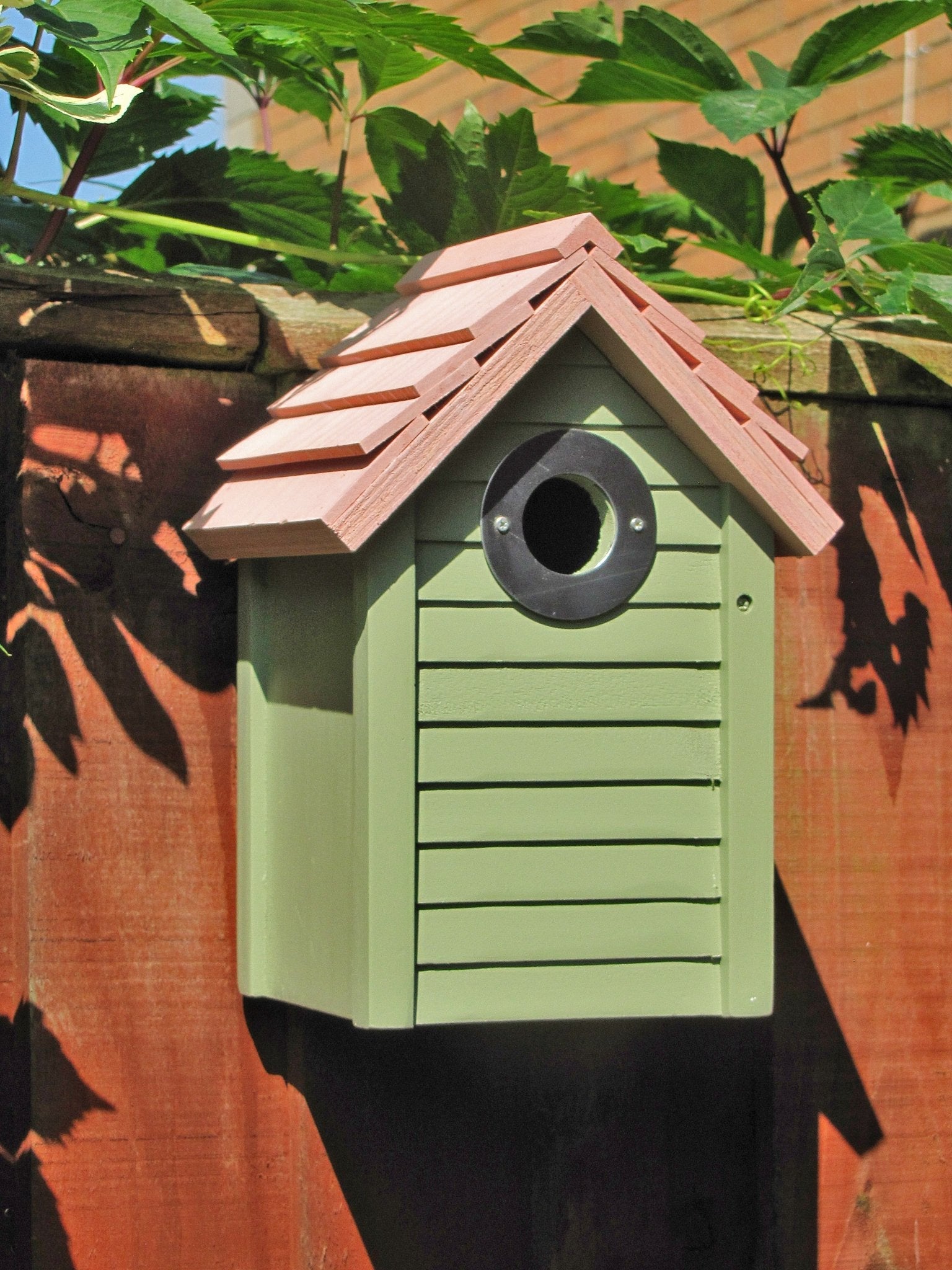
With many of our natural nest sites like large, old decaying trees disappearing from our gardens, we need to provide nest boxes as well as feeders and birdbaths.
Further encouraging garden birds into our gardens and keep them healthy and happy. This shortage of natural nesting sites for birds has played a part in the decline of some of our most iconic species.
It is now easier than ever to provide functional and beautiful nesting opportunities for birds in our gardens and outdoor spaces. By putting up boxes in the autumn, you can give much-needed winter refuges for roosting birds, which possibly increase the chances of them staying and nesting in the spring.
This is an excellent practice to maintain as a well-designed nest box will only need cleaning once per year. Waiting until autumn to clean them ensures they are not occupied.
One of the key determinants in how likely birds are to occupy nest boxes is where you choose to locate them.
Remember to place nest boxes away from feeders and baths.
Position them high enough to be safe from predators.
And never disturb the birds once they’re in the box; enjoy watching from afar.
View collection