

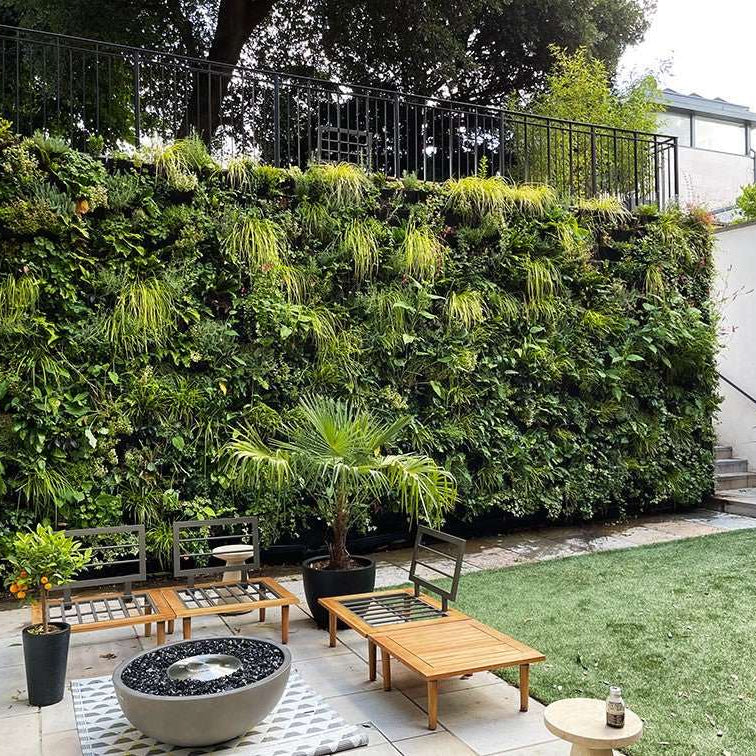



Plants make the garden
Planting Design & Garden Structure in Ireland
Planting is not decoration. It is the living structure of a garden.
Patios, lawns and walls may define space, but planting creates scale, structure, shelter and seasonal movement. Without structure, even the most carefully built garden begins to feel temporary.
Planting determines how a garden ages. It shapes how it feels in winter. It defines how it settles into its surroundings.
In Ireland, where wind, soil and exposure vary dramatically from site to site, structure matters even more.
If you are planning change, start with planting.
If your garden needs better planting, Planting by Numbers gives you a clear plan showing what to plant, where to plant it and how to bring the garden together.
Planting design is not simply about choosing attractive plants. It is about deciding what belongs where, in what numbers, and for what purpose.
You can read more about what a planting plan is here. If your garden is attached to a new house and still feels raw or unfinished, this guide to planting design for new homes in Ireland is a good next step.
Why Planting Is the Structure of a Garden
In professional garden planning, planting is treated as architecture.
Trees establish canopy and height.
Shrubs create enclosure and mass.
Perennials and grasses provide movement and seasonal continuity.
Ground layers knit the garden together.
Without this hierarchy, planting becomes scattered. Individual plants may look attractive when purchased, but without a structural framework they compete rather than compose.
A well-structured planting scheme:
- Creates privacy without heaviness
- Softens hard landscaping
- Guides the eye through space
- Provides interest in every season
- Ages gracefully rather than collapsing into clutter
This is the difference between a garden that matures and one that needs constant correction.
The Architecture of Layered Planting
Professional planting design works in layers.
Canopy Layer
Trees provide scale, shelter and long-term form. They influence light, microclimate and movement.
Structural Shrubs
Evergreen and deciduous shrubs create mass, rhythm and backbone. They hold the garden together when perennials die back.
Seasonal Layer
Perennials, grasses and flowering plants provide succession and softness. They bring change without destabilising the structure.
Ground Layer
Groundcover, bulbs and low planting unify the soil surface and prevent visual fragmentation.
Each layer has a role. Each layer has proportion. Each layer responds to soil, wind and orientation.
Planting without layers lacks cohesion.

Structure Before Colour
Colour is transient. Structure is permanent.
One of the most common mistakes in Irish gardens is beginning with flower colour rather than framework.
A planting scheme built primarily around seasonal colour often:
- Lacks winter presence
- Feels empty outside peak bloom
- Requires constant replacement
- Ages unevenly
Structure-first planting ensures:
- Winter silhouette
- Mature proportion
- Balanced growth rates
- Long-term stability
Colour then enhances the structure rather than compensating for its absence.
Need a wider garden transformation?
Learn about our services here.
Designing Planting for Irish Conditions
Planting design in Ireland must respond to real conditions.
Wind and Exposure
Many rural and coastal gardens suffer from wind distortion and salt exposure. Structure must be resilient before it can be expressive.
In exposed or coastal sites, planting structure must adapt, see our guide to Wind-Resistant Planting Design in Ireland.
Heavy and Wet Soils
Large areas of Ireland sit on clay. Drainage, root tolerance and spacing become structural considerations.
North-Facing Gardens
Light limitation alters layer selection and density. Structure must compensate for limited seasonal contrast.
Urban Gardens
Shelter can allow greater diversity, but scale becomes critical in smaller spaces.
Each site has its own logic. A planting plan must interpret it, not ignore it.
Low Light and Shady Gardens.
For gardens affected by low light or north-facing conditions, see our guide to Planting Design for Shade in Ireland.

Common Structural Planting Mistakes
Most structural problems arise not from poor taste but from lack of planning.
Common mistakes include:
- Overplanting small spaces
- Ignoring mature size
- Buying in stages without an overall framework
- Using only short-lived perennials
- Failing to establish canopy
- Planting too densely for immediate impact
- No repetition or rhythm
These issues often result in gardens that feel busy, then sparse, then chaotic.
A structured planting plan prevents this cycle.
What a Professional Planting Plan Includes
A professional planting plan is not simply a list of plants.
It typically includes:
- Scaled layout drawings
- Layered structure (canopy, shrub, seasonal, ground)
- Plant quantities and spacing
- Consideration of mature size
- Seasonal continuity planning
- Phasing advice where appropriate
- Long-term maintenance foresight
The goal is not to fill beds.
It is to establish structure that matures with time.
For many gardens, a planting plan is sufficient without full redesign.

When a Planting Plan Is Enough and When It Is Not
Some gardens already have sound structure in hard landscaping. In these cases, planting redesign alone can transform the space.
Other gardens require changes to layout, levels or circulation before planting can succeed.
This is why structured conversation is important before investment.
If you are unsure which path your garden requires, start with a consultation.
Where privacy is the priority, see how structure solves it in Planting for Privacy & Screening in Ireland.
Frequently Asked Questions
What is the difference between planting design and choosing plants?
Choosing plants is selection.
Planting design is composition.
A planting design considers scale, layering, mature size, seasonal continuity and long-term structure. It creates rhythm and proportion across the garden rather than focusing on individual specimens.
Do I need a full garden redesign to change my planting?
N0, not always.
If the layout, levels and hard landscaping are structurally sound, a professional planting plan alone can transform the space.
If circulation, drainage or scale issues exist, broader design changes may be required before planting will succeed.
This is usually determined during a consultation.
How much does a planting plan cost in Ireland?
Cost depends on scale, complexity and level of detailing required.
Smaller gardens with defined beds require less structural planning than exposed rural sites or large planting schemes.
You can learn more about planting plan costs here
The first step is a consultation to assess scope properly.
Can planting design solve privacy or screening issues?
Yes.
Layered planting using canopy, structural shrubs and lower layers can create privacy without solid barriers. However, correct spacing and long-term growth planning are essential.
Poorly planned screening often leads to overcrowding or future removal.
Do you supply the plants?
Yes, plant sourcing can be arranged as part of structured planting work.
The planting plan defines what is required. Supply and implementation are then coordinated to ensure the design intention is preserved.
Is planting design suitable for windy or coastal gardens?
Yes, but plant selection alone is not enough.
Wind-exposed gardens require structural thinking first. Shelter layers, spacing and resilience must be integrated into the overall design.
Start with a Planting Consultation
If you are planning change, do not begin by purchasing plants.
Begin with a sure sense of direction.
An Online Garden Consultation allows us to review your site, photographs, measurements and objectives before decisions are made.
For Cork-based projects, an On-Site Garden Consultation
will allow me to:
- Assess your existing planting.
- Test your ideas against the reality of your space.
- Examine structure, scale, light, soil and flow.
- Clarify and define the direction your garden should move in.
From there, we determine whether you need a planting plan, full design, or simply careful implementation.
Still unsure?
Most garden projects begin with a conversation.
If you're not certain which route suits your garden, tell me about it and I’ll recommend the right next step.
What They Say...
From wildlife-friendly gardens to low-maintenance spaces, I’ve helped countless homeowners create gardens that truly work for them.