

Everything peaks together
A bed full of summer flowers can become a largely empty space when those plants die back.
Plan a succession of interest, so one group of plants takes over from another.

Popular searches

Popular searches
PETER’S SEASONAL NOTES · AUTUMN & WINTER
Often, it’s because too much of the planting does its best work in summer. Once the flowers fade, there’s very little left to carry the garden through.
A garden can still have colour, shape and something worth looking at in the quieter months. The secret is planning what takes over.

WHAT’S REALLY HAPPENING?
If flowers are the only point of interest in a plant or a garden, you are relying on a finite period of time. That might be a few short weeks with a magnolia, or a much longer display with hydrangeas and roses. Either way, the flowering season eventually comes to an end.
For winter, I look at the other qualities a plant brings: structure, texture, evergreen foliage, beautiful stems and bark, and the colour of berries. Together, these can keep a garden interesting long after its flowers have faded.
A bed full of summer flowers can become a largely empty space when those plants die back.
Plan a succession of interest, so one group of plants takes over from another.
Without a framework of shrubs, trees or evergreen planting, the garden can lose its shape as well as its colour.
Give the garden a backbone that still reads clearly from the house in winter.
Cutting every perennial back in autumn removes seedheads and stems that could still look beautiful and shelter wildlife.
Keep healthy, attractive stems where they stand well. Remove diseased or collapsed growth.

COLOUR DOESN’T HAVE TO COME FROM FLOWERS
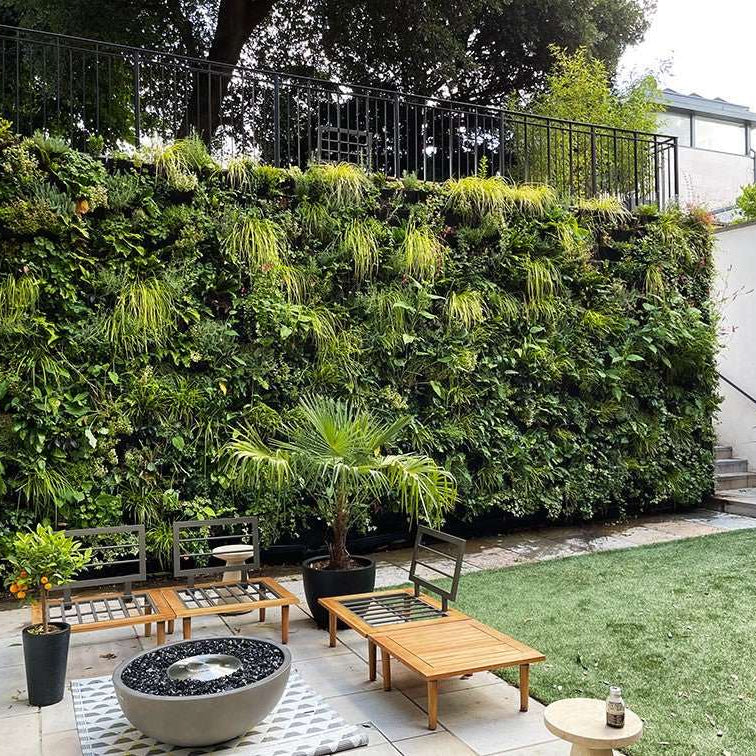
The rich foliage of a Heuchera is a good reminder that a plant can earn its place without being in flower. Leaf colour, shape and texture can be just as valuable in a planting scheme.
For the colder months, evergreen foliage and planting structure provide a framework, while coloured stems, beautiful bark and retained seedheads add detail. It is the combination that makes the garden work.
Your garden's next growing season starts beneath your feet. Winter is a wonderful opportunity to invest in the soil that supports your plants. Whether you're improving established borders or preparing for new planting, healthier soil can help create the conditions for stronger, more resilient growth. Discover NutriChar, my Irish-developed, certified organic plant food and soil improver, combining nutrient-enriched biochar with composted poultry manure through a patented process.
Discover NutriChar →WINTER COLOUR, WITH SOMETHING MORE
By including berrying shrubs and trees, you can add colour and provide food for birds and other wildlife, helping support the natural balance of the garden.

The beautiful purple berries of Callicarpa ‘Profusion’ bring a very different colour to the autumn garden.

A berry-laden Pyracantha combines colour with an evergreen framework and shelter.

Birds make use of the food you plant for them. The berries may not last all winter, but watching the visitors becomes part of the pleasure.
A DIFFERENT WAY TO THINK ABOUT PLANTING
Explore the layers that keep a garden interesting. These are starting points; the right plants depend on your soil, space and exposure.
Late colour
Late-flowering perennials can extend the display as summer plants fade. Combine them with foliage that colours well.
Consider: hardy asters and Hylotelephium (sedums).
Shape & texture
Upright grasses and sturdy seedheads can keep a bed looking intentional long after flowering finishes.
Consider: Calamagrostis and selected perennial seedheads.
Berries & foliage
Berries and changing leaves bring another layer of interest. Birds may enjoy the berries before you do.
Consider: a suitably sized crab apple or berrying holly.
You don’t need every plant on this list. You need a combination that works together in your garden.
ONE SIMPLE THING TO DO TODAY
What holds your eye once the flowers are gone? If the answer is mostly bare soil, lawn or a fence, that’s a useful clue. This is the view I would consider when planning winter interest for your garden.
PLANTING DESIGN WITH PETER DOWDALL
You may need to refresh a few beds, or rethink the planting throughout the garden. I can help you decide what to keep, what to change and what to plant.
I choose plants for the conditions in your garden and for how you want the space to feel. The aim is a planting scheme that works as a whole, with interest across the seasons and maintenance you can manage.
Tell me about your gardenOnline design throughout Ireland · On-site consultations in Cork
My Planting by Numbers service turns the planting into a practical plan you can follow.
I can also arrange quotations from my Irish plant suppliers, including delivery, if you would like help sourcing the plants. Plants and delivery are priced separately.
You don’t need to have a design brief worked out.
Send your location or Eircode and a few lines about what you would like to change. If I need photographs or more detail, I’ll ask when I reply.
I review your details personally and give you an idea of the likely design cost. There is no obligation to proceed.
Before design begins, we agree the scope and fee and talk through what you want. For remote work, I may need a simple measured sketch of the garden.
A THOUGHTFUL GIFT FOR THE GARDENER IN YOUR LIFE
If this has made you think of someone who would love a fresh perspective on their garden, you can give a consultation with me as a gift.
Whether they’re starting a new garden, refreshing an established one or simply have questions they would love to ask, we’ll explore their garden and find a practical way forward.
Explore Garden Consultation GiftsA limited spring collection: just 10 garden visits and 10 online consultations offered as gifts for Spring 2027.
A FEW QUESTIONS YOU MIGHT HAVE
No. Sometimes improving a few beds or introducing the right structural plants is enough. I’ll recommend an approach that suits the garden and what you want to achieve.
Yes. Existing trees, shrubs, paths and patios can form the starting point. The aim is to make good use of what is already working and improve the areas that need attention.
The fee depends on the size of the area and the work involved. Send your Eircode or location and a short description, and I’ll give you an idea of the likely cost before you decide whether to proceed.
Yes. I offer online planting design throughout Ireland, using a conversation, photographs and the measurements needed for your particular plan. On-site consultations are available in Cork.
Yes. You can see where the garden loses interest and plan changes around those gaps. Planting timing depends on the plants and conditions; avoid planting into waterlogged or frozen ground. Read more about when to plant in Ireland.
YOUR GARDEN’S NEXT CHAPTER
Tell me what’s missing. I’ll help you work out the next step.
Tell me about your gardenPersonally reviewed by Peter · An idea of costs · No obligation