



The benefits cross health, climate and communities. How should the investment follow?

“That sounds lovely, but we haven’t the budget.”
I have heard versions of that sentence many times over my working life. A potential project is discussed, people can see what it might bring to a place, there is interest and sometimes real enthusiasm. Then we reach the question of money, and that is where it stops.
As a horticulturist, it is frustrating. You can see the possibilities. You know what could grow there, what needs to change to give it a chance, and how much better the place could become.
But knowing what is possible does not get you past the budget meeting.
I think part of the problem is the way we still think about planting and landscape. If we see them primarily as decoration, something that makes a development or public space look nicer, their funding will reflect that. They become an expense for the landscaping or parks budget, competing with everything else that department has to do.
Yet the reasons for investing may extend well beyond the appearance of the place.
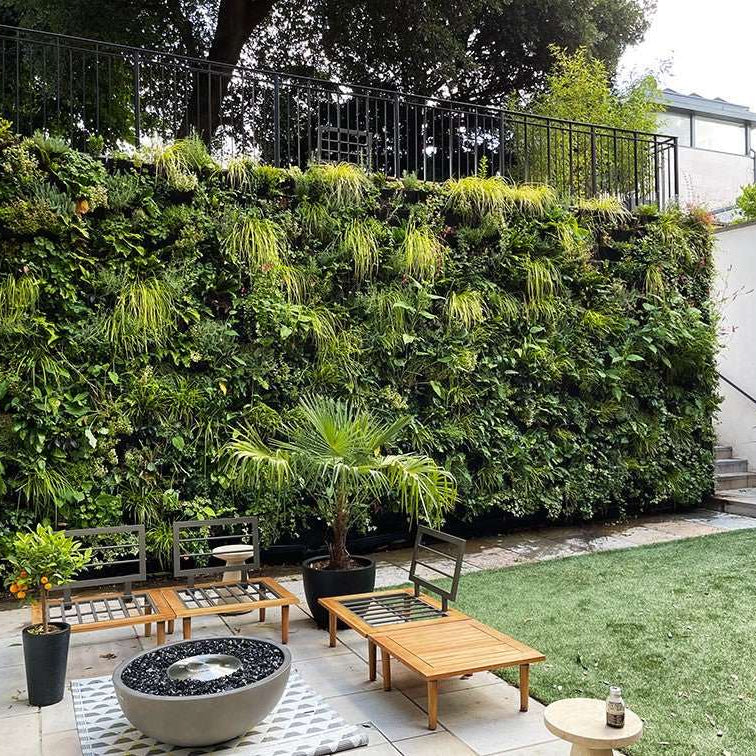
The benefits of well-designed green spaces extend across public health, biodiversity, climate resilience and local economic life. They provide opportunities for physical activity and social contact, support wildlife, offer shade and cooling, and can help manage rainfall.
The need to build climate resilience is here now. We are quite literally tripping over commitments, strategies and good intentions, but we have to see them translated into funded action. This is not a problem for the future, it is here and now.
Possibilities will vary from place to place, and the benefits will not reach everyone equally. A neighbourhood with very little accessible green space may have quite different needs from the leafy suburbs, already well served.
The benefits fall across many sectors, but the budget is normally left with one.
If we are asking a landscape to contribute to health, climate resilience, biodiversity, community life and commerce, why are those interests not involved when the investment is being considered?
That does not mean sending the health service an invoice for a flower bed, but it should mean involving the relevant people early enough to establish what a project could realistically achieve, who would benefit and whether there is a case for contributing.
I do not pretend to have a ready-made formula for dividing that cost. Working it out is part of the task.
Funding delivery and building evidence
There is a classic chicken-and-egg problem: to secure investment, we need evidence of what that investment can deliver, but to develop evidence from practical projects, we need investment.
A budget holder considering a particular site needs to understand what is achievable there, what it will cost and how its results will be assessed.
International evidence and existing Irish research can inform that decision. Carefully designed Irish projects can then help us understand how different approaches work in our own circumstances. I explore that need in Right Plant, Right Place, Right Purpose: Why Ireland Needs Its Own Evidence .
There are Irish examples worth learning from. ReFarm brings farmers, businesses, public bodies and researchers together to support nature restoration on farms, with independent research accompanying practical action. Its setting is different from an urban neighbourhood, but the connection between funding, delivery and evidence is relevant.
Government should, in my view, be central to this discussion, across the different areas of public responsibility that could benefit. Corporate investment also has a place, alongside philanthropy.
I think it is reasonable to ask whether businesses with greater environmental impacts should make greater contributions to restoration, which needs a serious discussion about responsibility and fairness.
Bringing the right people together
My own contribution comes from horticulture and communication. I can help establish what is horticulturally feasible, work with specialists to shape a practical intervention, and explain its purpose to the people affected.
Others bring expertise in public health, ecology, water, research and finance. Bringing those skills together is work in itself, and it needs to be recognised and funded.
Through Beyond Gardens, this is the conversation I want to progress: how we develop projects around defined local needs, establish the benefits they can realistically deliver, and bring the right people together to fund, deliver and assess them. The practical approach is outlined in Beyond Gardens: From Why to How .
“There’s no budget” may accurately describe the position of the person sitting opposite me.
What I want us to ask next is whether that project has been considered by all those whose objectives it could help achieve.
Could we develop a project together?
If you work in a local authority, public health, research, business or philanthropy and want to explore a practical greening or nature restoration project, I would welcome hearing from you.
I bring horticultural judgement and public communication, working with the specialists needed to shape a project around clear local needs and realistic outcomes.
Email:
info@theirishgardener.com
For talks, panels, interviews and public engagement, see
Media, Speaking & Public Engagement
.
Evidence and further reading
- EPA: Eco-Health, Ecosystem Benefits of Greenspace for Health . Irish research on green space and health.
- ReFarm: What We Do. Its approach to funding nature-friendly actions with research support.